


Discovering Japan
Temples, Streets, and the Perfect Bowl of Ramen
First Impressions
Landing in Tokyo for the first time, I felt like I’d stepped into a different universe. The city hums with life, from the neon-soaked streets of Shinjuku to the quiet serenity of small temples tucked away in back alleys. There’s a rhythm here that’s impossible to ignore—the cadence of people hurrying to work, the soft hum of trains gliding into stations, the gentle calls of vendors in morning markets.
My trip was meant to be a mix of sightseeing, culture, and food. I wanted to explore historic temples, bustling city districts, and hidden corners only locals know. I didn’t quite realise just how much the food would become the heartbeat of my experience.
Temples, Shrines, and the Calm Amid the Chaos
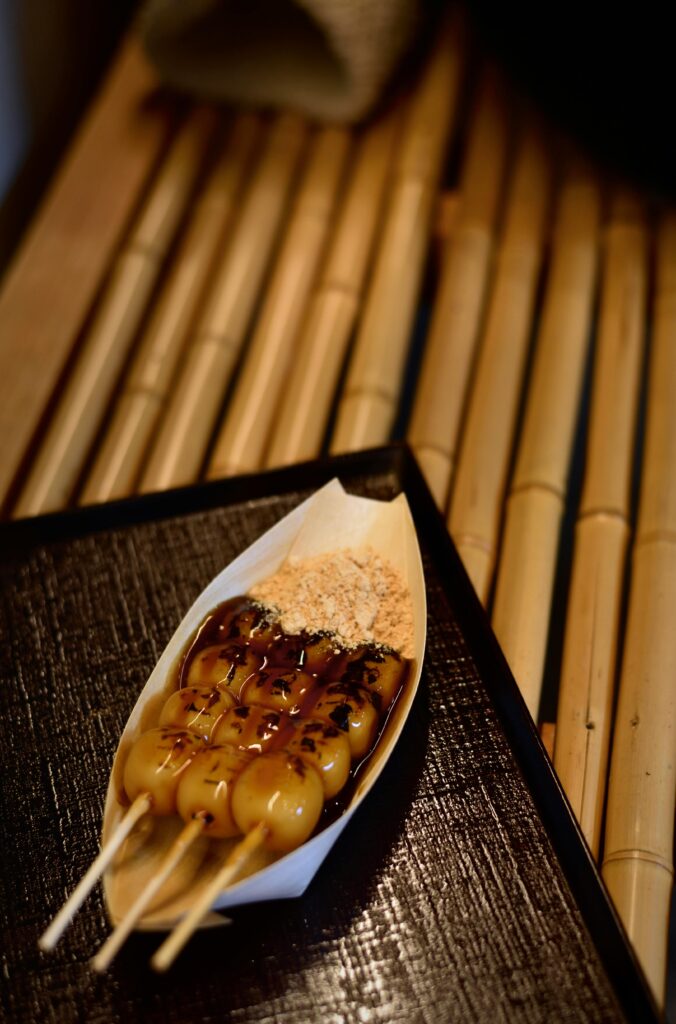
One of my first stops was Asakusa in Tokyo, home to the famous Senso-ji Temple. The approach is lined with stalls selling everything from souvenirs to traditional sweets. The aroma of sweet rice crackers mingled with incense, and the chatter of visitors created a lively but serene atmosphere. Walking through the temple grounds, it was easy to forget the bustling city just beyond the gates.
Later, I ventured to Kyoto, where temples seemed to multiply with every turn. Fushimi Inari-taisha, with its thousands of vermilion torii gates, felt like stepping into another world entirely. Wandering through the tunnels of gates, I felt a quiet thrill—part awe, part curiosity. Kyoto’s calm contrasted starkly with Tokyo’s energy, offering a glimpse into a Japan of tradition, ritual, and reverence.
The city streets, with their mix of traditional townhouses and tucked-away cafés, had a quiet charm that drew me in. I found myself pausing often, just to take it all in: a shopkeeper rearranging displays with deliberate care, friends in school jackets sharing snacks and laughter at the kerbside, a cyclist weaving smoothly through the narrow lanes. These small, everyday scenes carried a sense of rhythm and authenticity that made the city feel deeply alive.
Street Life, Markets, and Hidden Corners
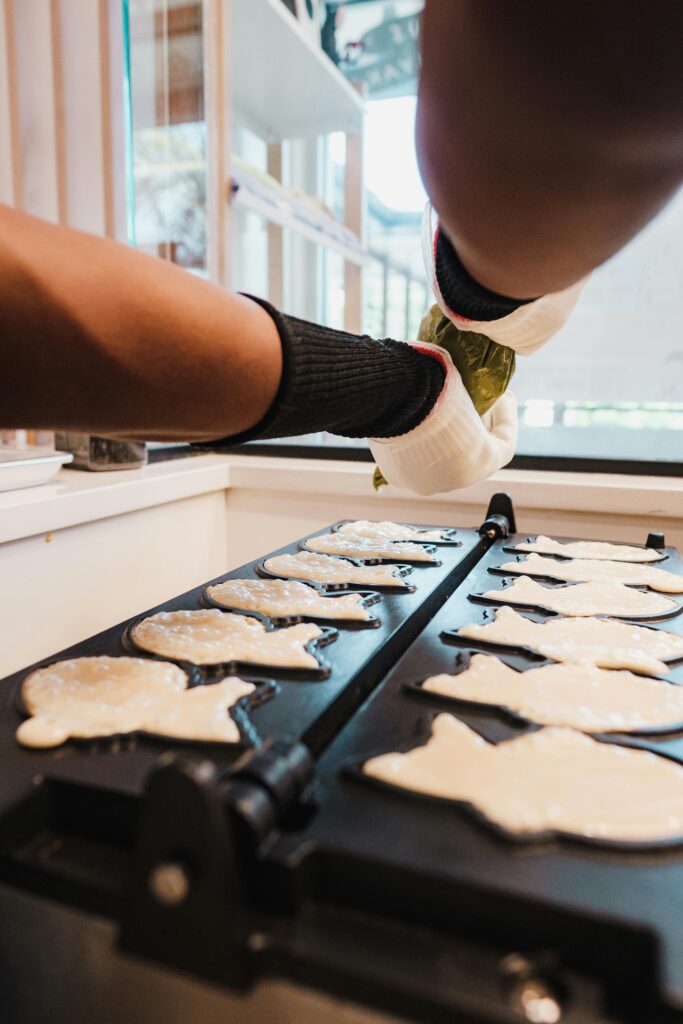
Beyond the temples and shrines, the streets of Japan are endlessly fascinating. In Osaka, I wandered through Dotonbori, mesmerised by the flashing signs, the aroma of street food, and the energy of tourists and locals mingling. Vendors called out in melodic pitches, offering takoyaki (octopus balls), okonomiyaki (savory pancakes), and skewered meats. Every corner seemed to promise a new experience, and I couldn’t resist sampling along the way.
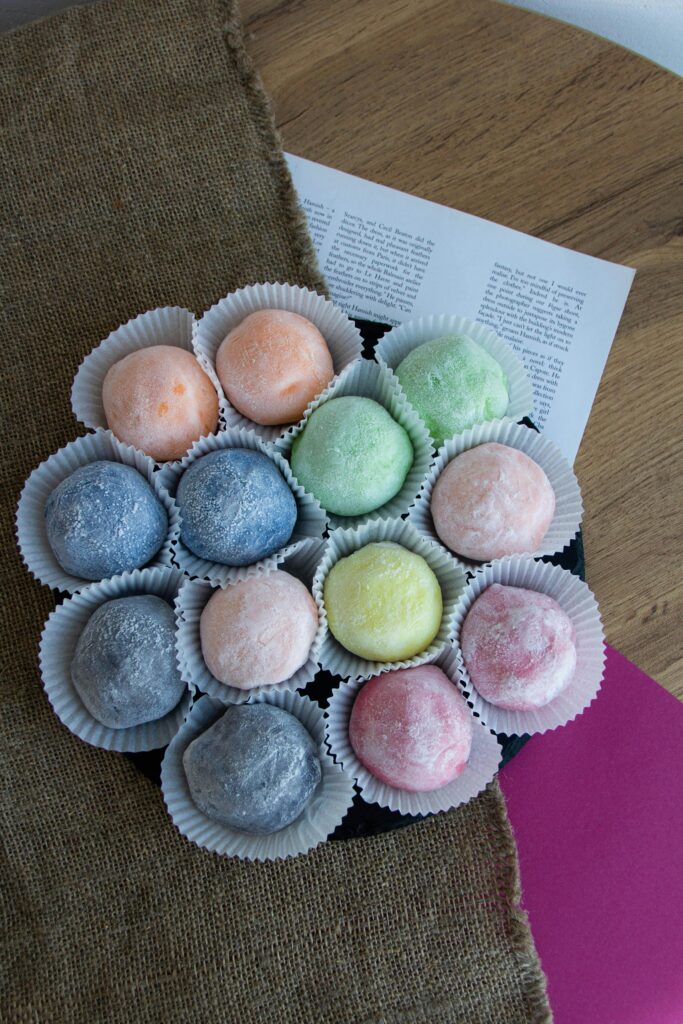
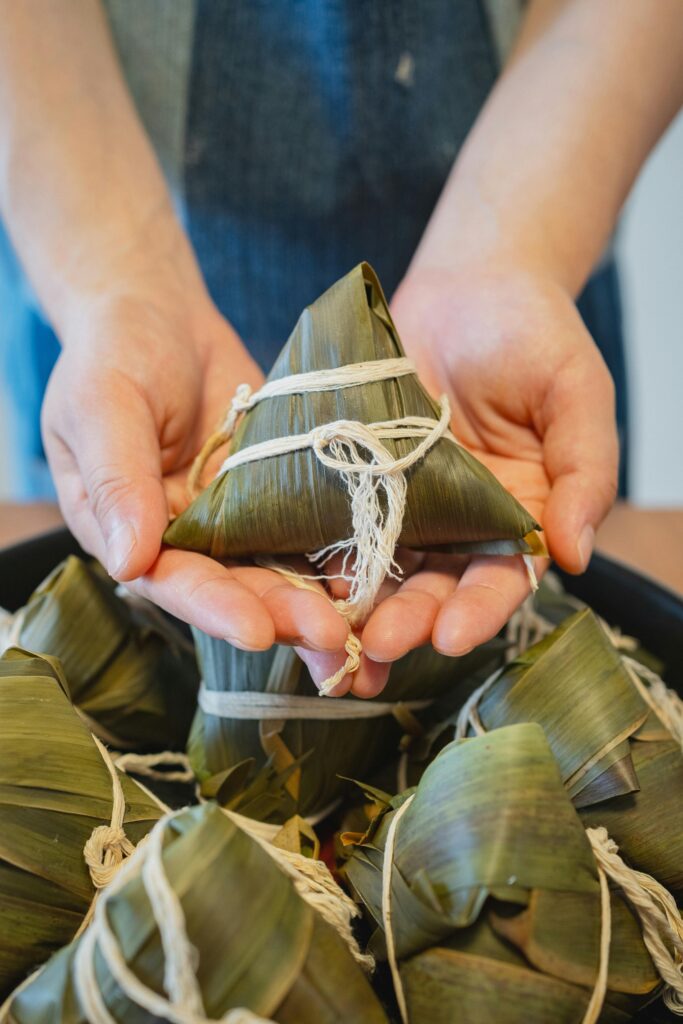
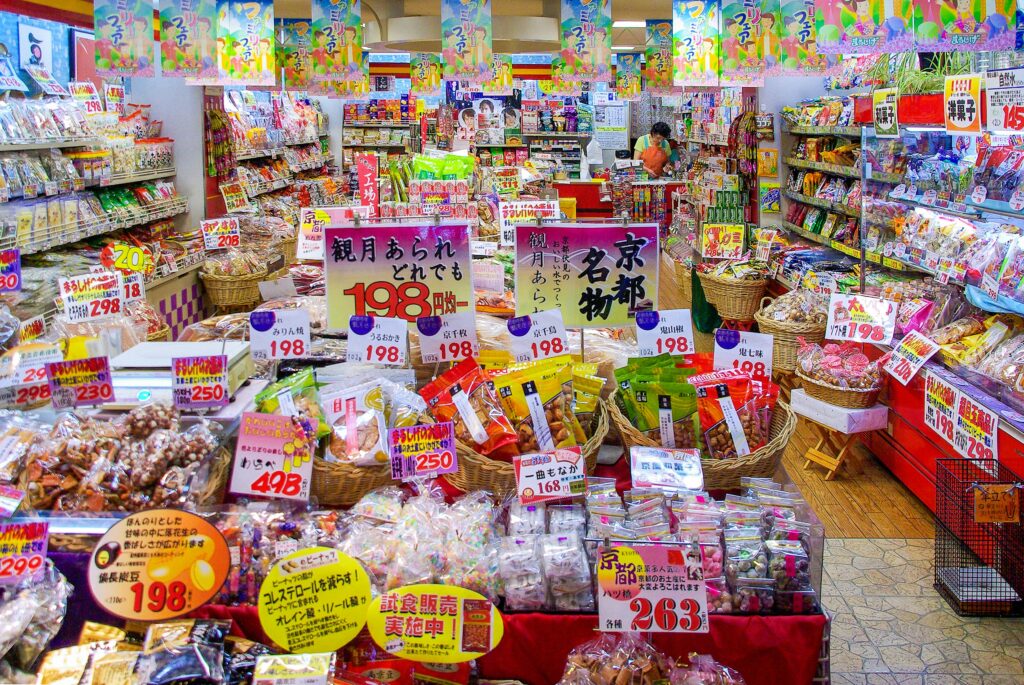
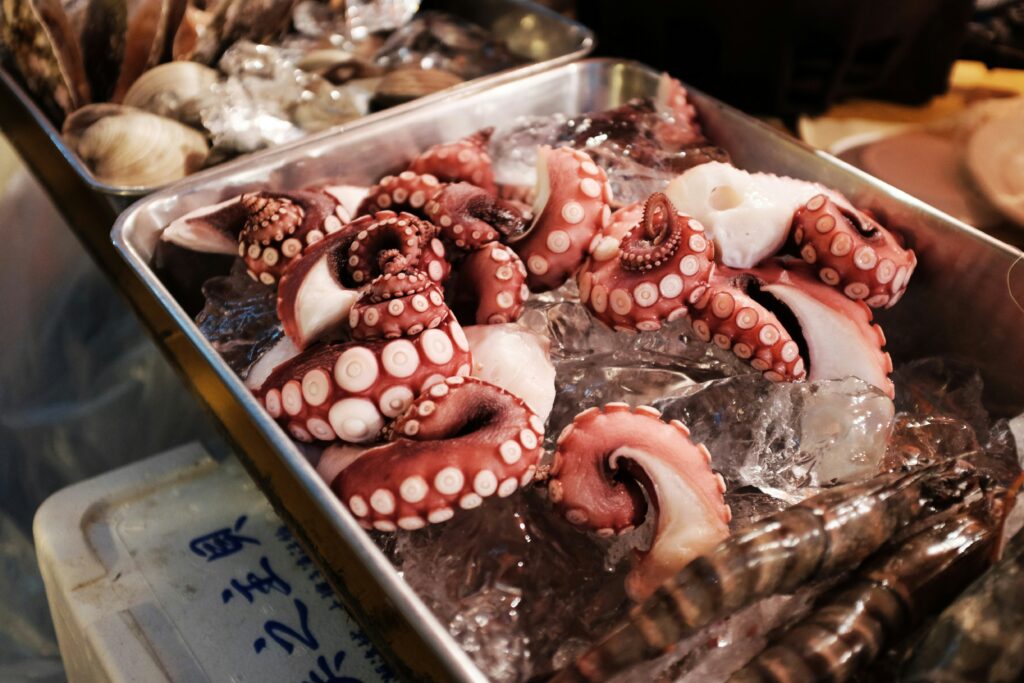
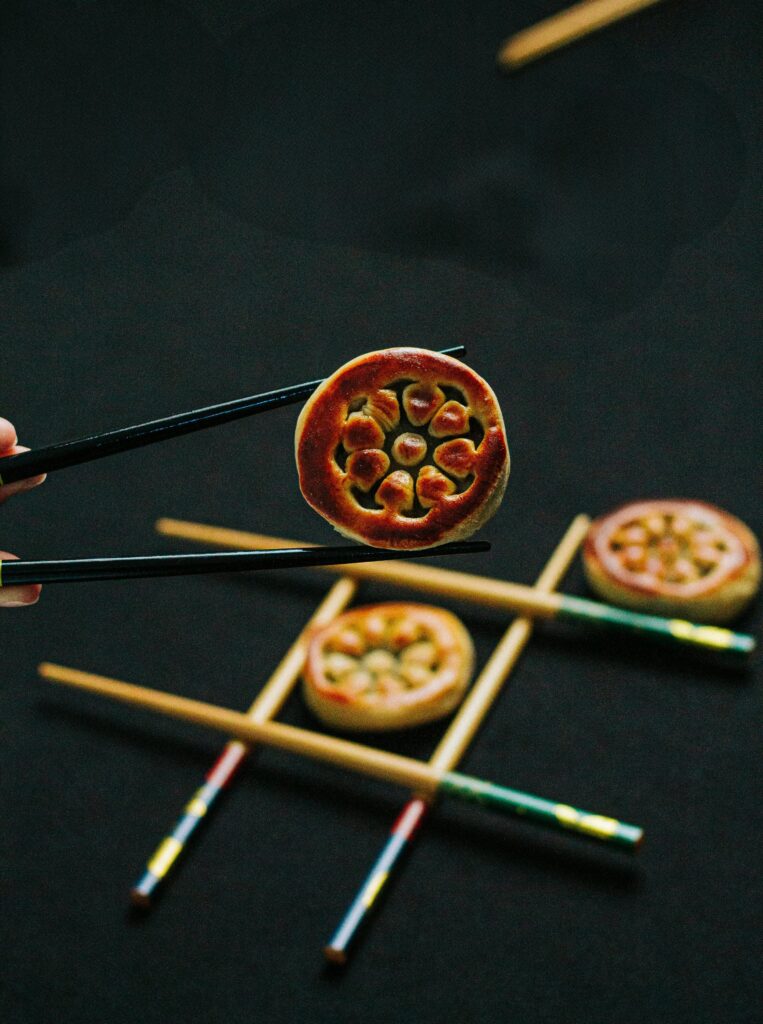
Markets are a world unto themselves. Nishiki Market in Kyoto, often called “Kyoto’s Kitchen,” is a sensory overload in the best possible way. Stalls are crammed with bright vegetables, pickled delicacies, seafood, and sweets. I remember being drawn to a stall selling tiny sweet treats wrapped in leaf packages. The vendor handed me one with a smile, and as I bit into it, the subtle sweetness paired with the delicate texture felt like a little piece of Kyoto itself.
Even smaller streets in Tokyo offered surprises. Hidden cafés, secondhand bookshops, and craft stores revealed a quieter, more personal side of the city. I spent afternoons wandering without a plan, allowing the city to guide me, and was rewarded with moments that felt like insider secrets—an unassuming tea shop, a park with koi ponds, a street musician whose music lingered long after I passed.
Experiencing Japanese Culture
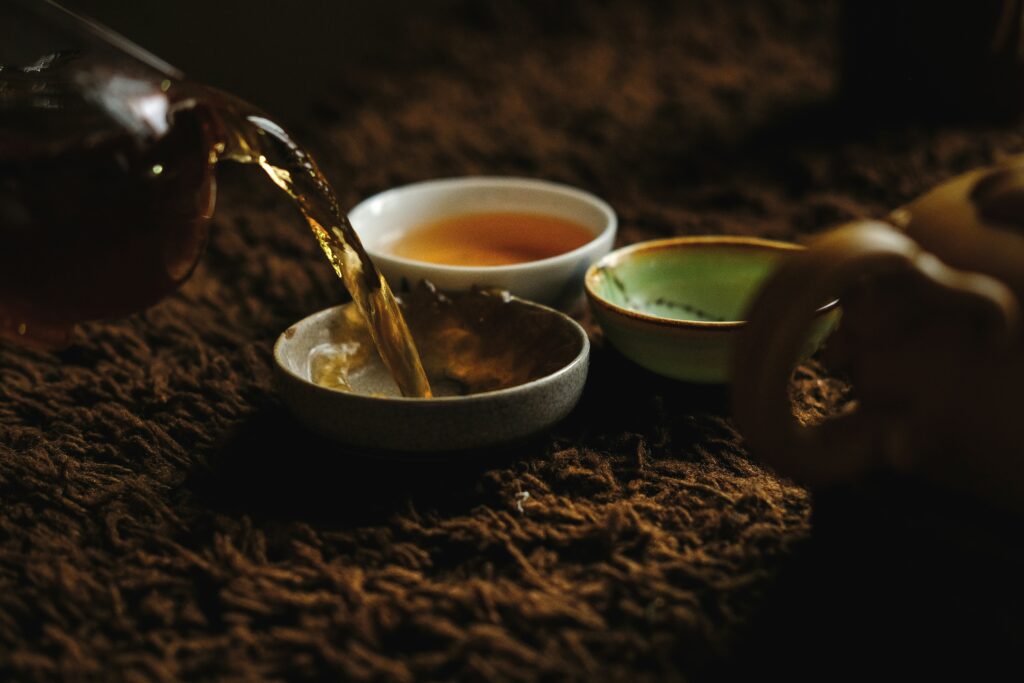
Of course, no trip to Japan is complete without engaging with local culture. I tried my hand at a traditional tea ceremony, where the precision of movements, the quiet dignity of the host, and the gentle aroma of matcha created a meditative experience. It was humbling, beautiful, and completely different from anything I’d encountered before.
I also took part in a cooking class in Kyoto, learning to make simple dishes like onigiri (rice balls) and tempura. Watching my instructor move effortlessly, her hands folding rice, dipping vegetables, and frying shrimp, I gained a new appreciation for the artistry in Japanese cuisine. It was here I began to understand a central theme of Japanese food culture: care, precision, and respect for ingredients.
Even everyday experiences, like taking the train or shopping for groceries, were instructive. Everything feels intentional—from the quiet efficiency of the subway to the immaculate displays in stores. I found myself taking mental notes, absorbing the way people interacted with their surroundings, the sense of order and mindfulness woven into daily life.

The Streets of Tokyo at Night
As the sun dipped below the horizon, Tokyo seemed to exhale and come alive in a completely different way. The fading natural light gave way to a riot of neon, signs in every colour imaginable flickering and pulsing like the heartbeat of the city itself. Reflections shimmered in puddles from an earlier rain, creating tiny, fractured mirrors of pinks, blues, and yellows underfoot. The streets buzzed with life: office workers in crisp suits hurried past in precise lines, groups of teenagers laughed and took selfies, and street performers added an unexpected soundtrack of guitar riffs and soft drums.
I wandered through Shinjuku first, letting myself be carried along by the tide of humanity. The famous Shibuya crossing felt almost hypnotic: hundreds of people moving in every direction, a chaotic yet strangely rhythmic dance of umbrellas, backpacks, and shopping bags. Every few steps, small alleyways beckoned with promises of hidden worlds. Some were lit by the gentle glow of a single lantern, casting soft shadows against the wooden façades of old buildings. Others glimmered with the warm light spilling from tiny eateries, the aroma of simmering broths, grilled meats, and fried snacks teasing the senses as I passed.
Drawn by curiosity and hunger, I slipped down one particularly narrow alley, lined with tiny shops whose doors barely seemed wide enough to squeeze through. The faint murmur of conversation, clinking bowls, and the hiss of steam escaping from kitchen vents drew me closer. That’s when I saw it: a tiny ramen shop, almost inconspicuous among the alley’s other establishments. Its wooden sign was simple, weathered by years of Tokyo’s seasons, and a thin curl of steam drifted lazily from the doorway like a quiet invitation. The warm amber light spilling from inside illuminated a small row of diners slurping noodles, their expressions a mix of concentration and bliss.
I paused for a moment, letting the scene sink in. The promise of a steaming bowl of ramen felt like a reward, not just for my rumbling stomach, but for the days of wandering, of taking in the sensory overload that is Tokyo at night. I stepped inside, the door creaking softly, and immediately felt a kind of intimate hush descend, a stark contrast to the frenetic energy outside. The aroma hit me first—rich, savory, layered with hints of soy, miso, and the faint sweetness of caramelised pork. My heart raced a little with anticipation. This was it: my first real culinary epiphany in Japan.

Discovering Ramen: The Perfect Bowl
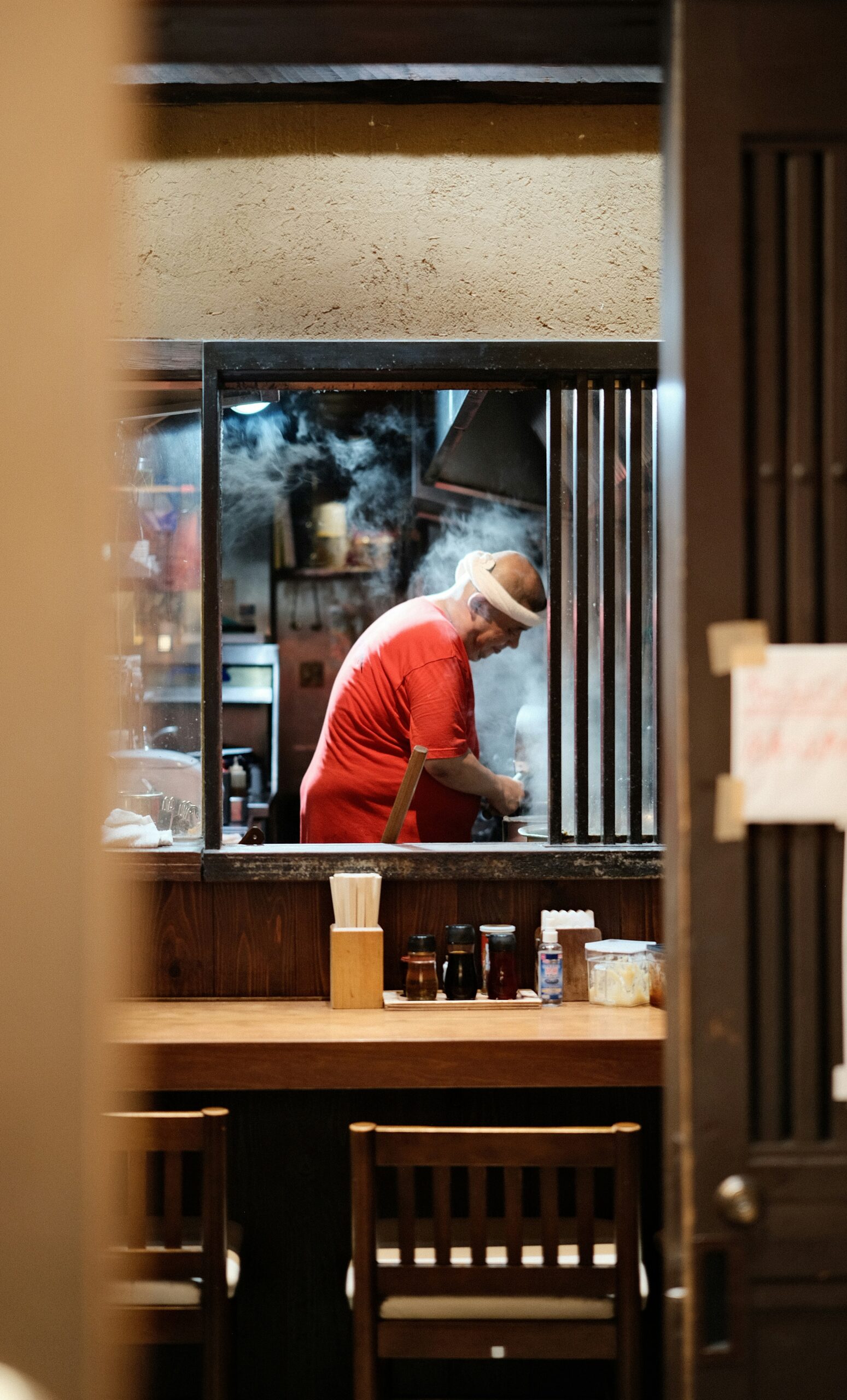
Inside the shop, I watched the chef work with focused precision. Noodles were cooked to order, pork slices carefully arranged, and broth ladled into bowls with a practised rhythm. I ordered a bowl, unsure what to expect, and when it arrived, the aroma alone made my mouth water.
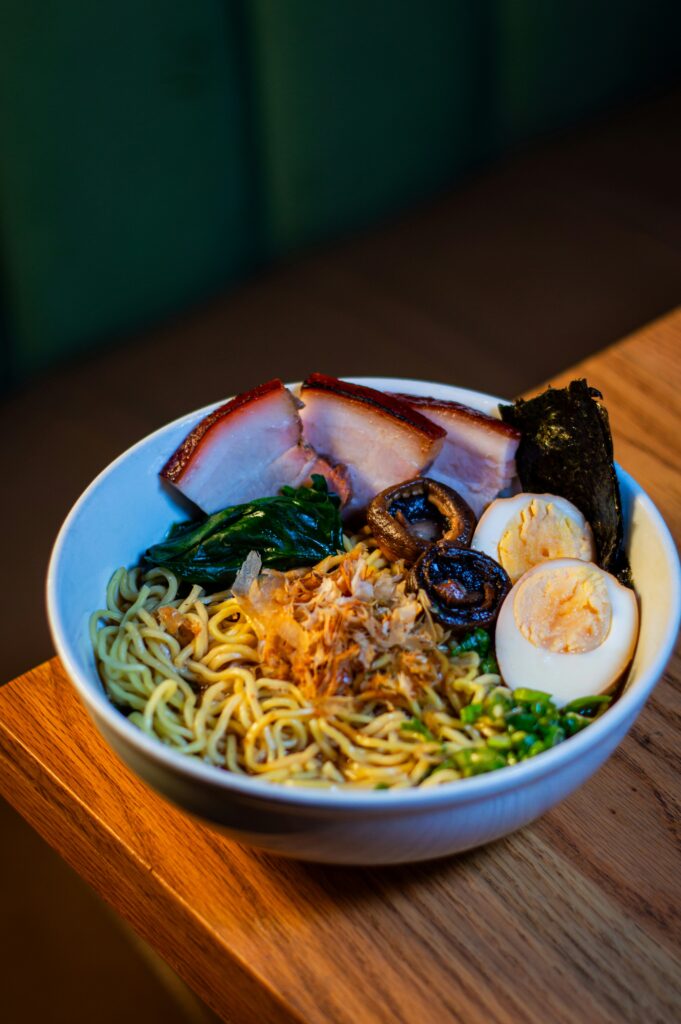
The first bite was a revelation: silky noodles, rich and savoury broth, tender pork belly, a soft-boiled egg with a custardy yolk, and fresh green onions scattered on top. The flavours were balanced, the textures varied, and the warmth was comforting in a way that made me pause. Eating ramen in Japan is more than nourishment—it’s a sensory experience, a quiet ritual, and an emotional connection to the culture around you.
The simplicity of a bowl belies the complexity of its creation. Each ingredient is carefully considered: the broth, simmered for hours; the noodles, made fresh or chosen for their texture; the toppings, adding colour, taste, and personality. This experience inspired me to try making ramen at home when I returned.
Bringing Japan Home: Ramen Recipe
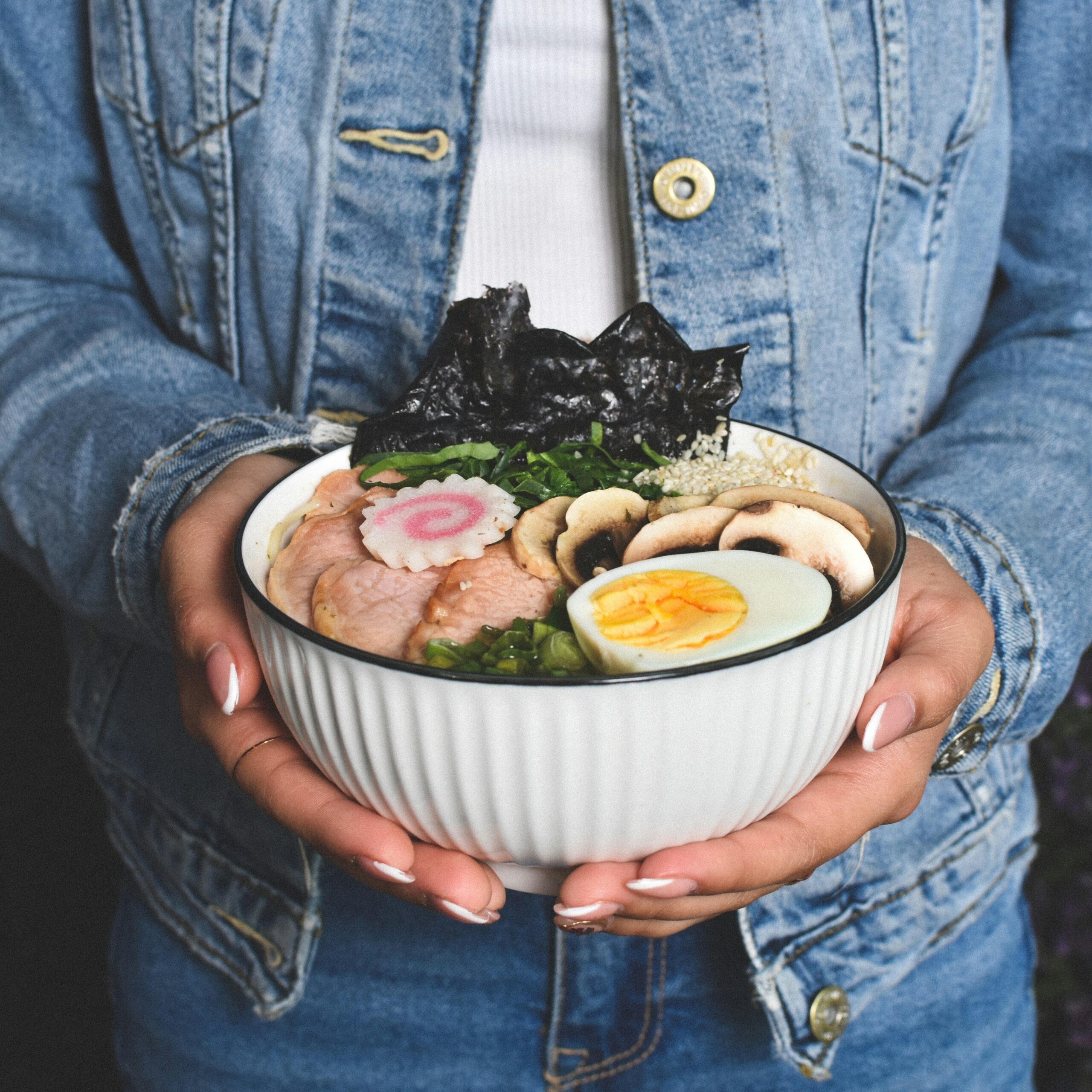
Here’s a recipe inspired by my travels, so you can enjoy a little piece of Japan in your own kitchen. It’s approachable for home cooks but retains the depth of flavour that makes ramen unforgettable.
Ingredients (Serves 2–3)
Broth:
- 1 litre chicken stock (or vegetable stock)
- 2 cups water
- 2 pieces kombu (dried kelp)
- 4 dried shiitake mushrooms
- 3 cloves garlic, crushed
- 1-inch piece of ginger, sliced
- 3 tablespoons soy sauce
- 1 tablespoon miso paste
- 1 tablespoon mirin (optional)
Noodles and Toppings:
Chilli oil or sesame oil (optional, for finishing)
2–3 portions fresh or dried ramen noodles
200g pork belly or chicken thigh, thinly sliced
2 soft-boiled eggs (marinated in soy sauce if desired)
2 green onions, finely sliced
1 sheet nori (seaweed), cut into strips
Bean sprouts, bamboo shoots, or corn (optional)
Instructions
- Prepare the broth:
- Combine stock, water, kombu, mushrooms, garlic, and ginger in a large pot.
- Simmer gently for 30–45 minutes, then remove kombu and mushrooms.
- Stir in soy sauce, miso paste, and mirin. Keep warm.
- Cook the noodles:
- Boil noodles according to package instructions, then drain.
- Prepare the protein:
- For pork belly: sear until golden and cooked through.
- For chicken: simmer or pan-fry until tender.
- Soft-boiled eggs:
- Boil eggs for 6–7 minutes, cool in ice water, peel, and marinate in soy sauce if desired.
- Assemble:
- Divide noodles into bowls, pour hot broth, add protein, eggs, and toppings.
- Finish with a drizzle of oil if desired.
- Enjoy:
- Slurp proudly, remember your travels, and savour the taste of Japan at home.
Final Reflections
Traveling in Japan is more than sightseeing; it’s about immersion. The temples, markets, streets, and hidden cafés reveal a culture that values care, precision, and mindfulness. Ramen, discovered toward the end of my journey, perfectly embodies these values: simple ingredients elevated through care and craft, resulting in an unforgettable experience.
Bringing ramen home isn’t just about food—it’s about capturing a memory, a moment in time, and a taste of a country that lingers long after you leave. Cooking it reminds me of neon streets, steaming markets, and quiet temple gardens. Whether you’ve been to Japan or dream of going, making ramen is a delicious way to experience a little piece of the country wherever you are.